Starneth
Observation-wheel design, systems integration and engineering support across the project lifecycle.

Starneth India brings specialist observation-wheel engineering to project development in India, with clear responsibilities from feasibility through lifecycle support.
Starneth and Juma established a strategic cooperation agreement in February 2017, bringing together observation-wheel design expertise and manufacturing capability.
Zhejiang Juma Entertainment Co., Ltd. develops and manufactures landmark Ferris wheels and large-scale amusement equipment. Its company profile documents structural fabrication, capsule production and site installation.
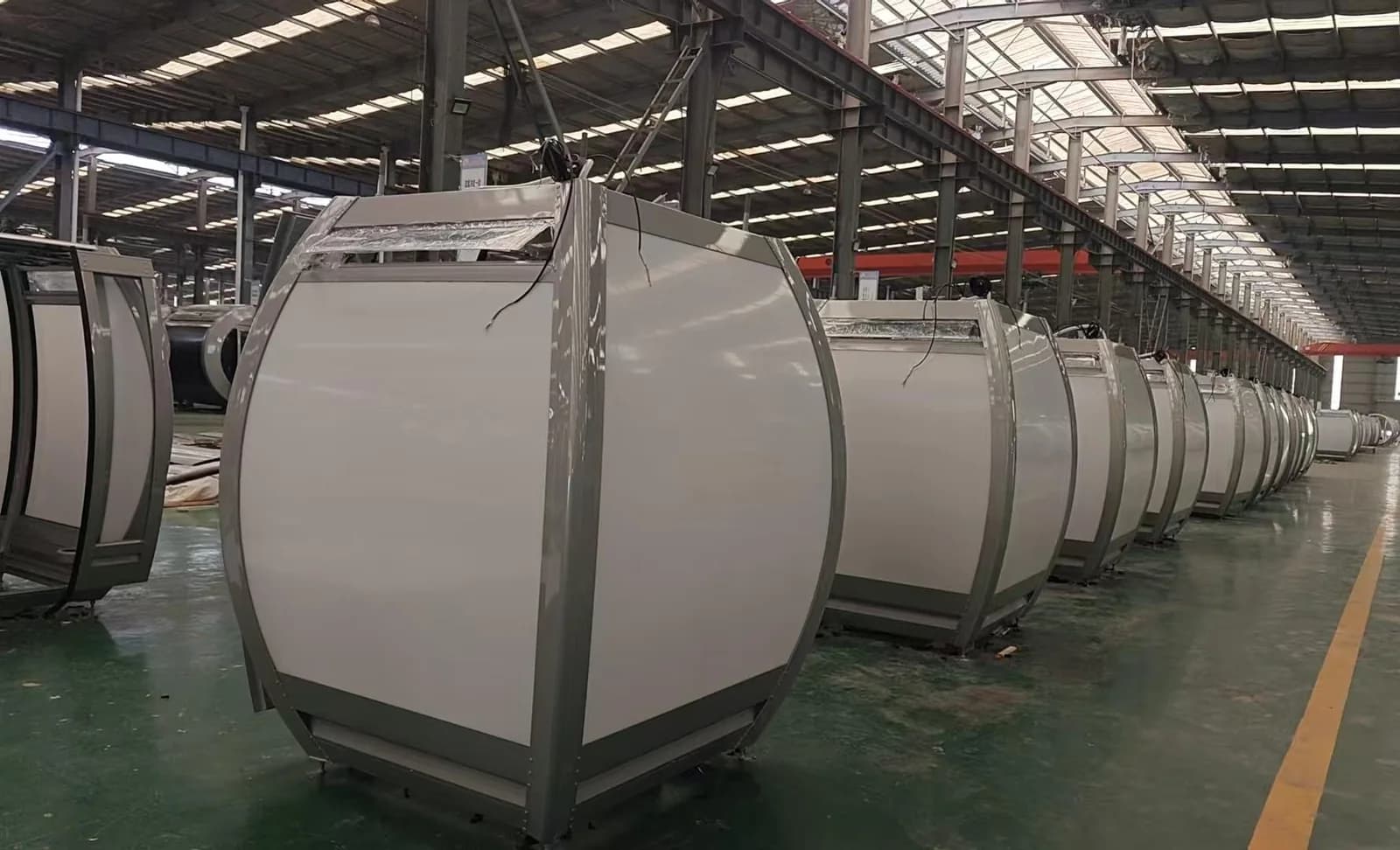
Observation-wheel design, systems integration and engineering support across the project lifecycle.
Wheel structures, cabins and amusement equipment manufacturing capability, supported by the partner's project experience.
Supplier qualification, local fabrication opportunities and site delivery packages assessed against Indian project requirements.
Our project references distinguish company scope, individual expertise and the capabilities available for Indian delivery.
Project references identify the Starneth entity, contracted scope and delivery period associated with each engagement.
Individual experience is attributed to the person, their role and the organisation where the work took place.
Engineering, supplier qualification, erection planning, commissioning support and lifecycle services developed around Indian project requirements.
Project pages identify the relevant entity and partner roles. Contracted scope is agreed separately for each project.
Ground conditions, wind, access and the certification route guide the design from the beginning. Early assessment helps clients understand what the site can support.
We assess the structural load path, fatigue performance and operating limits alongside fabrication, transport and installation requirements.
This gives the design team a defined technical basis before procurement and construction commitments are made.
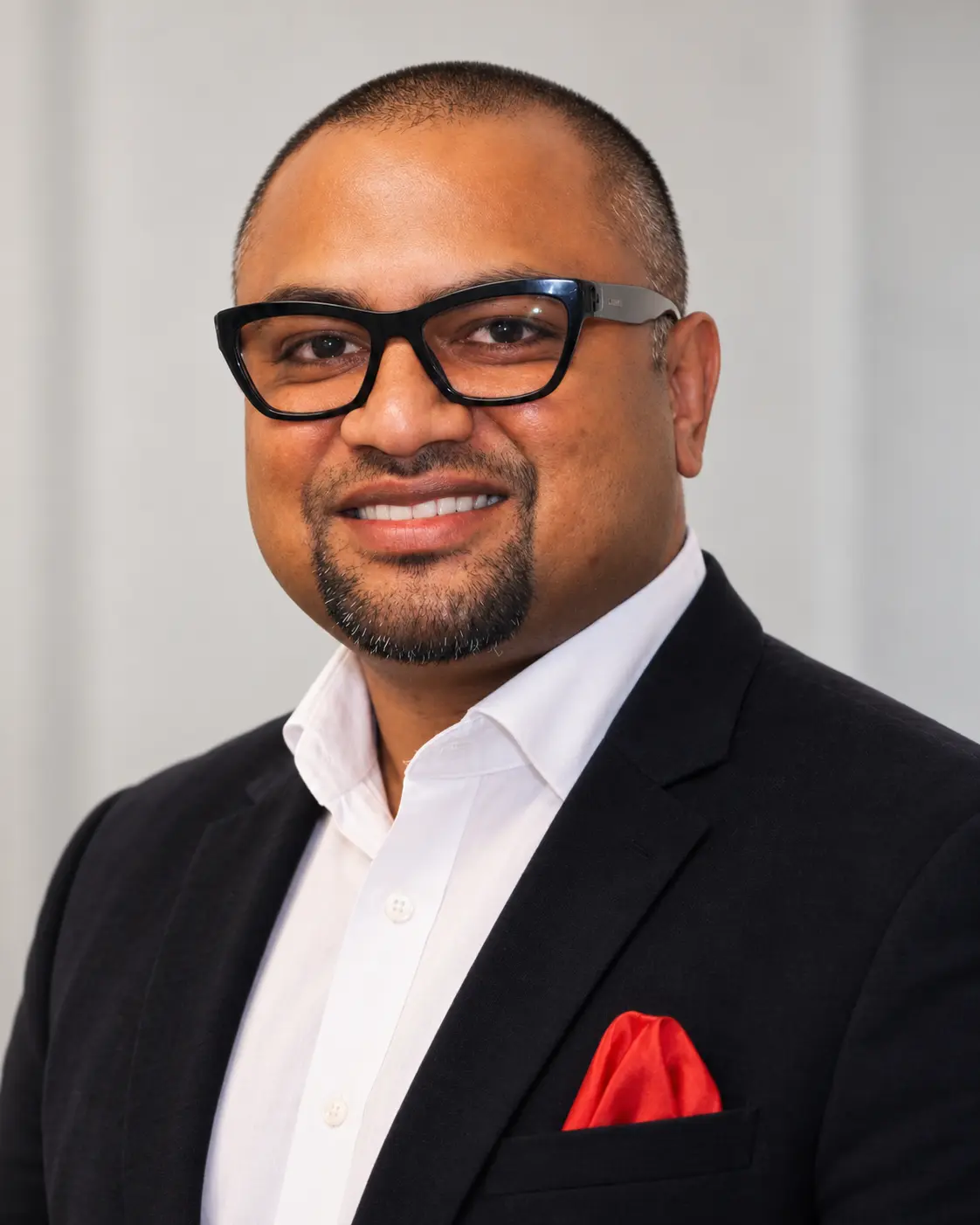
Dr. Zama M.S. is the Founder and Managing Director of Starneth India. He leads the company's strategy, partnerships and accountable delivery of landmark observation-wheel projects in India.
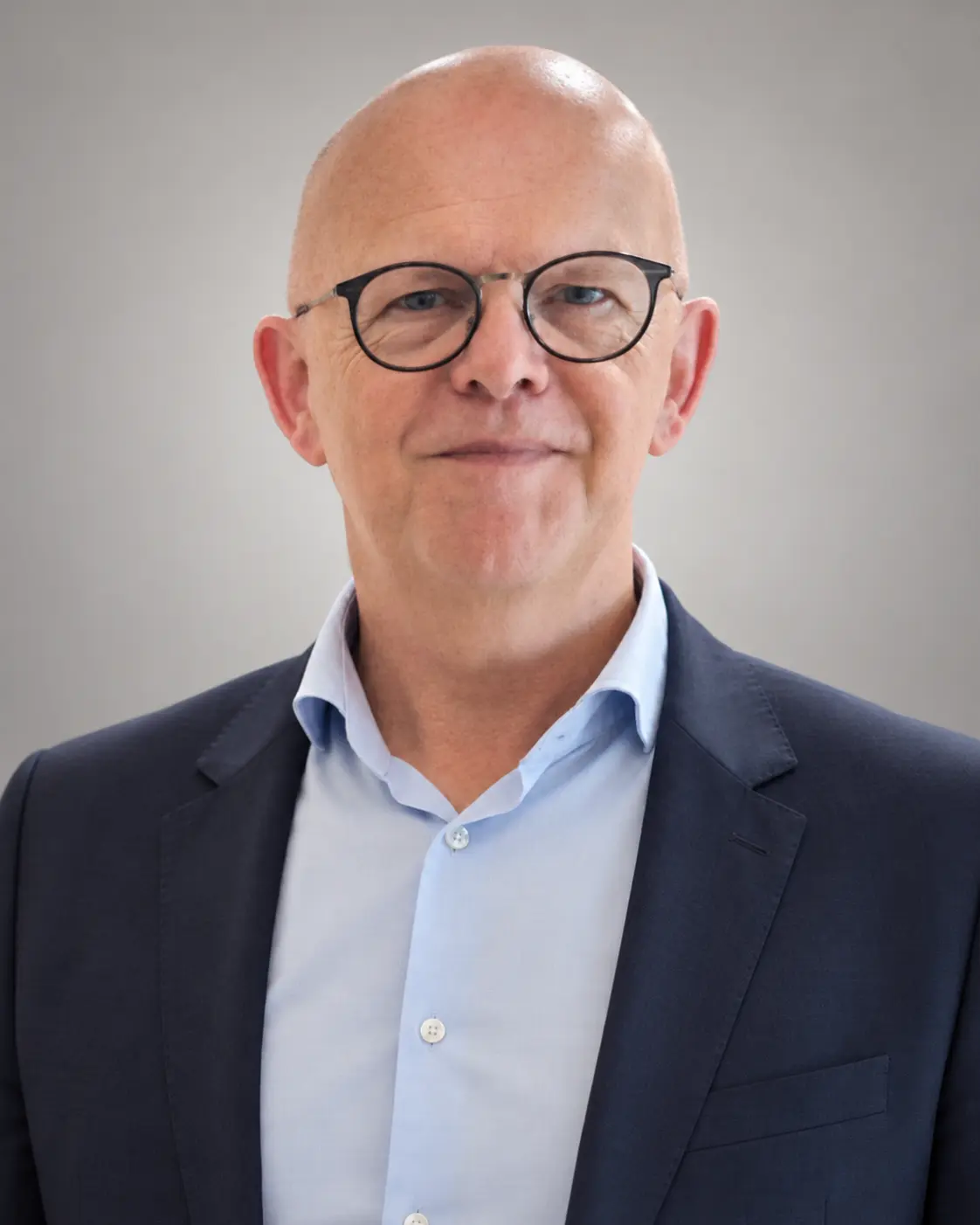
Chiel Smits is the Chief Executive Officer and owner of Starneth Holding B.V. A mechanical engineer by training, he brings extensive experience in managing the design and construction of major offshore, observation-wheel and mobility projects.
Specialist manufacturing capability and qualified regional suppliers are assessed against each Indian project's requirements.
Our operating model evaluates specialist manufacturing partners alongside qualified Indian suppliers. Juma brings observation-wheel manufacturing experience. The mix of local fabrication, specialist components and site delivery is developed for each project, based on technical requirements, procurement conditions and supplier capability.
Local content requirements are addressed during engineering and procurement planning. Fabrication packages, inspection criteria and supplier qualification are defined before contract award. Partner involvement and delivery responsibilities are agreed in the relevant project contracts.