Blue-hour concept visualization of the proposed Amaravati Eye and waterfront destination
Amaravati, Andhra Pradesh

Amaravati Eye

Krishna River Civic Horizon

A river-facing observation wheel shaped as calm civic infrastructure for Andhra Pradesh's capital region.

Concept. Design direction, not a committed project

Concept visualization. Every design direction on this page remains a concept until site, engineering, wind, geotechnical, aviation, coastal, environmental, heritage and authority studies are completed.

The city

Where it sits, and what it is read against.

Amaravati sits within the broad Krishna River plain, where long horizons, seasonal water, intense summer heat and a growing capital-region network set the design conditions. The concept treats the wheel as part of a shaded civic landscape rather than an isolated attraction. Its public realm is organised around river views, regional planting and clear connections to future transit and cultural destinations.

Concept motifs
  • River horizon
  • Concentric civic movement
  • Paired structural rhythm
  • Shaded colonnade
  • Regional landscape
Material palette
  • Krishna blue
  • River silt
  • Warm limestone
  • Civic bronze
  • Canopy green
  • Off-white steel
Cultural research

Every source below changed something in the design.

Cultural material is used here as design logic: geometry, proportion, circulation, material and climate response: never as applied surface decoration. No temple, mosque, monument, government building or sacred object is copied, and no religious imagery appears on capsules, tickets, merchandise or commercial space.

Krishna River landscape
Set a low horizontal base, broad viewing terraces and a flood-aware landscape that keeps permanent structures away from the active river edge.
Amaravati's civic role
Established a formal but welcoming arrival sequence, with public space that works every day rather than only during ticketed operating hours.
Buddhist-era planning heritage
Informed concentric movement and measured proportion in the landscape plan without copying sacred buildings, symbols or archaeological forms.
Andhra textile and craft traditions
Guided a fine paired-cable rhythm and restrained interior patterning at human scale, never applied as decoration to the wheel structure.
Hot semi-arid climate
Made continuous shade, air movement, water-sensitive planting and short walking distances fundamental to the visitor route.
Capital-region mobility network
Made transit arrival, coach circulation, pedestrian access and secure servicing separate layers of the destination plan.
Design direction

Krishna River Civic Horizon

Amaravati Eye is composed as a clear wheel above a long shaded civic plinth facing the Krishna River horizon.

A symmetrical axial support system gives the capital-region concept a calm, legible silhouette distinct from the coastal cantilever and compact river concepts.

The terminal, operations rooms and public programme are consolidated beneath an independent roof so engineering access remains separate from visitor movement.

Landscape terraces manage level change and seasonal water while keeping the primary public promenade open without a ticket.

Structural expression

How the wheel stands up

  • Paired axial A-frames transfer hub loads into land-based foundations with an explicit, symmetrical load path.
  • A deep lattice rim and paired radial cables support forty-eight enclosed cabins in the concept artwork.
  • The terminal roof and public terraces remain structurally independent from the wheel foundations.
  • Concept only. Geotechnical, flood, wind, seismic, aviation, transport and authority studies govern final scale and foundation design.
Boarding pavilion

Station architecture

  • A long civic roof creates a shaded address between the arrival court and river-facing promenade.
  • Ticketing, security, queue, boarding and exit follow separate, easily supervised paths.
  • Operations, electrical, maintenance and emergency functions occupy a secure rear service band with independent access.
  • Regional stone and high-performance metal screens provide durability, shade and a restrained public character.
Capsule

Capsule and visitor experience

  • Clear panoramic glazing prioritises the river plain, capital-region skyline and long horizon.
  • Solar-control glass, insulated roofs and quiet air conditioning respond to summer heat and glare.
  • A level floor, fixed perimeter rail and generous turning space support inclusive boarding.
  • Interpretation focuses on the landscape, engineering and regional history without political or religious branding.
Lighting

Lighting identity

  • A restrained warm-white rim establishes the wheel as a civic landmark rather than a media screen.
  • Cabin lighting follows a slow bilateral sequence that reinforces the symmetrical support system.
  • The plinth and landscape use low, shielded lighting to preserve river views and safe pedestrian movement.
Landscape

Landscape and public realm

  • A sequence of shaded courts and planted terraces links transit arrival to the river-facing promenade.
  • Flood-compatible planting and surface drainage make seasonal water visible and manageable.
  • Large native canopy trees, shaded seating and drinking-water points are placed along every principal route.
Commercial

Commercial activation

  • A river-facing dining terrace that operates independently from the observation wheel.
  • Flexible civic event space for exhibitions, conferences and public programming.
  • Regional food, craft and interpretation spaces integrated into the shaded plinth.
  • A premium hospitality level planned without interrupting boarding, maintenance or emergency routes.
Visitor journey

Arrival to return, in six moves.

  1. 01ArrivalA shaded civic forecourt receives transit, coaches and set-down.
  2. 02OrientationThe wheel and river horizon are visible together before ticketing.
  3. 03PromenadeVisitors move through a planted public terrace that remains open without a ticket.
  4. 04BoardingLevel boarding occurs inside a protected, supervised hall.
  5. 05RotationThe view opens from the civic district to the Krishna River and agricultural plain.
  6. 06ReturnExit leads toward dining, events and the river promenade.
Climate

Climate response

  • Continuous shade and short external walking distances address high summer temperatures.
  • The public plinth is raised and drained as part of a site-specific flood strategy.
  • The wheel operating envelope and evacuation planning remain subject to seasonal wind and storm studies.
Sustainability

Sustainability approach

  • Passive shade, natural ventilation and thermal mass reduce cooling demand in public areas.
  • Regional materials and a supplier-qualification strategy support practical local fabrication.
  • Rainwater capture and treated-water reuse support landscape irrigation without ornamental lawn.
Accessibility

Accessibility approach

  • The main arrival, promenade and boarding route is step-free and shared by every visitor.
  • Level boarding is provided at a designated cabin position in every operating set.
  • Rest points, shade, tactile guidance and high-contrast wayfinding continue through the full journey.
  • Accessible parking and transit set-down connect directly to the principal entrance.
Mobility

Mobility connections

  • A future transit connection and shaded pedestrian route are treated as the primary arrival mode.
  • Coach, taxi and private-vehicle set-down remain outside the pedestrian civic court.
  • Cycle parking and micromobility docks sit at the edge of the main promenade.
Amaravati Eye

A destination designed at every scale.

Structure, capsules, arrival, landscape and night lighting share one architectural language. Every direction remains subject to site, engineering, environmental, cultural and authority review.

Close concept visualization of Amaravati Eye capsules and rim engineering at blue hour

Capsule engineering

Level-riding panoramic capsules combine curved low-iron glass, accessible circulation and discreet mechanical connections.

Close concept visualization of the Amaravati Eye twin pylons, hub and cable system

Structural identity

Twin tapering pylons frame the hub and give the wheel a silhouette designed for Amaravati rather than a generic attraction.

Concept visualization of the Amaravati Eye waterfront boarding pavilion and arrival promenade

Arrival and boarding

A shaded waterfront pavilion turns boarding into a clear, accessible sequence connected to landscape and public life.

Concept visualization inside an accessible panoramic Amaravati Eye capsule

Panoramic interior

Warm, low-glare interiors provide uninterrupted city and river views with space planned for visitors of every ability.

Concept visualisation. Publication rights and architectural, structural and local-cultural reviews remain pending. Reviewed 2026-08-29.

Leadership and project partners

Company accountability, with local responsibility.

Starneth India leadership applies across the platform. Local partners are credited only on the project where they hold a confirmed role.

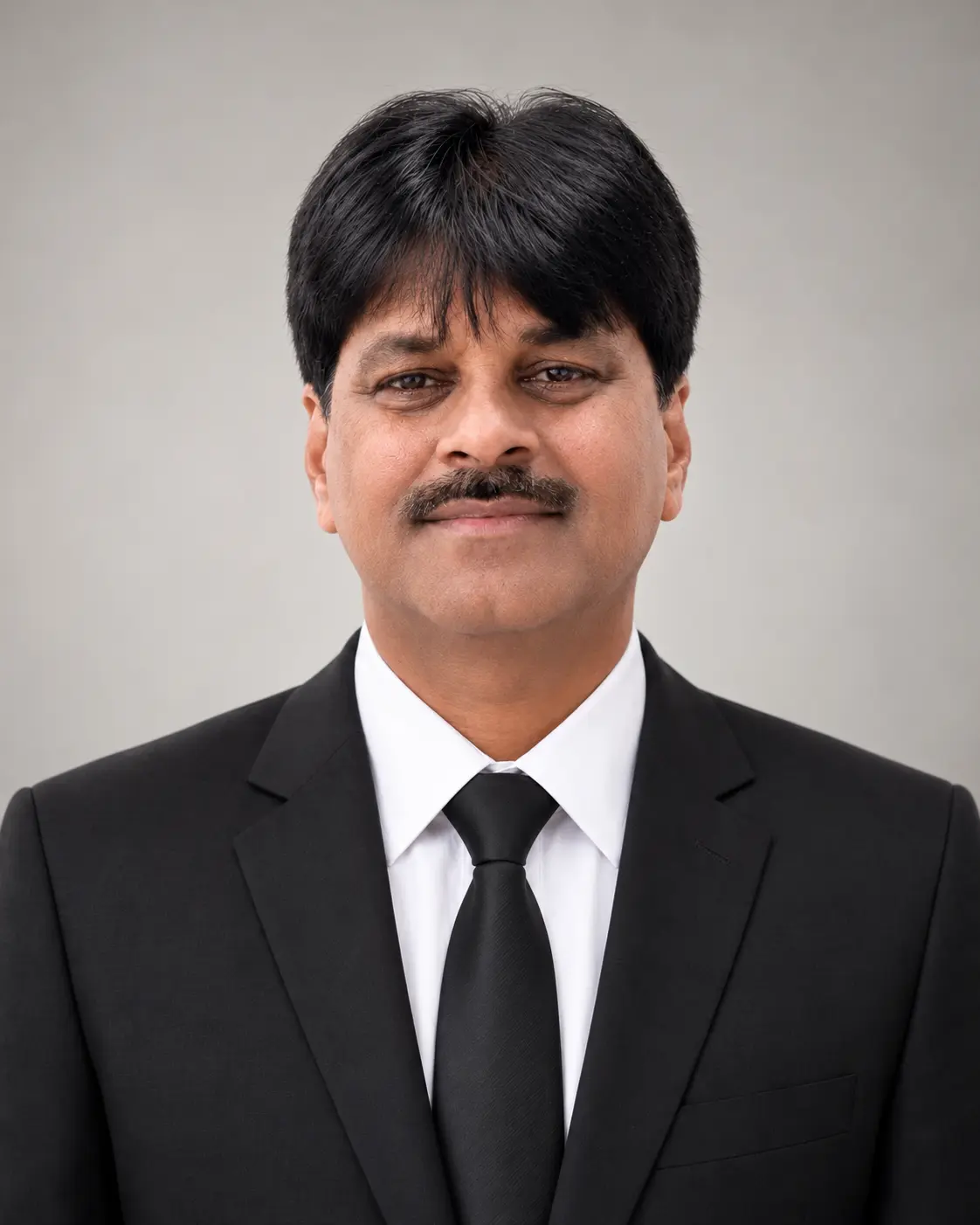
Dr. Zama M.S., Founder and Managing Director of Starneth India
Starneth IndiaDr. Zama M.S.Founder and Managing Director

Dr. Zama M.S. is the Founder and Managing Director of Starneth India. He leads the company's strategy, partnerships and accountable delivery of landmark observation-wheel projects in India.

Dasari Srinivas, Local Project Partner for Amaravati Eye
Amaravati EyeDasari SrinivasLocal Project Partner

Dasari Srinivas is Co-Founder of SEZ Consulting Services and serves as Local Project Partner for Amaravati Eye. This attribution applies only to the Amaravati Eye project and is not a company-wide Starneth India office.

Project status

Concept. Design direction, not a committed project

Amaravati Eye is a design direction. There is no award, contract, financing, concession, approval or construction start associated with it, and nothing on this page should be read as one. Each city project would be structured, financed and contracted independently.

Concept last reviewed 2026-09-06.

Considering a landmark wheel in Amaravati?